A Traveller's Guide to Kenya: Iconic Parks, the Wild North, the Swahili Coast and Nairobi
Dr. Theo Hollander · September 2, 2026 · 9 min read
Kenya has long been celebrated as a world-class safari destination, and for good reason, but it is also a far bigger and more varied country than the postcards suggest. Between the wild north we specialise in and the classic circuits further south, Kenya holds genuine wilderness in its capital, some of the greatest wildlife spectacles on earth, and a Swahili coastline unlike anywhere else in Africa. Here is everything we can offer you, region by region.
Discover the Lesser-Known Parts of Kenya
Ajabu Wild was founded by two friends who share a love for the unspoilt beauty of Kenyan nature and the people who call these places home. Our passion lies in sharing the magic of the wilderness: the sense of wonder, tranquillity and connection that comes from spending time in nature and learning about the traditions and culture of local communities. Through Ajabu Wild, we invite you to experience the landscapes we have explored and cherished for over a decade. We offer bespoke trips throughout Kenya and tailor experiences to the specific interest of our customers.
Unbound by permanent lodges, Ajabu Wild takes guests to locations most never reach: mountaintops, escarpments, riverbanks and vast open savannahs. Each journey is designed to evoke silence, awe and a deep respect for Kenya's landscapes. We operate lightly and leave no trace, actively supporting the preservation of wildlife habitats, fragile ecosystems and natural migration corridors, thereby safeguarding these wild spaces for future generations while showcasing some of the most breathtaking vistas in Africa.
Traditional Safaris: The Mara, Amboseli & Tsavo
Kenya is where the modern safari was born, and the southern parks remain among the greatest wildlife spectacles on earth. The Masai Mara, Amboseli, and the Tsavo complex are not simply famous, they are genuinely extraordinary: vast, wild, and home to concentrations of animals that have to be seen to be believed. This is the Kenya of legend, where the horizon is broken by endless plains of golden grass, elephant silhouettes move against the backdrop of Kilimanjaro, and lions rule the land as they have for millennia. For first-time visitors and seasoned travellers alike, a classic Kenya safari delivers experiences that need no introduction. The challenge is not finding something remarkable to see: it is deciding where to begin.
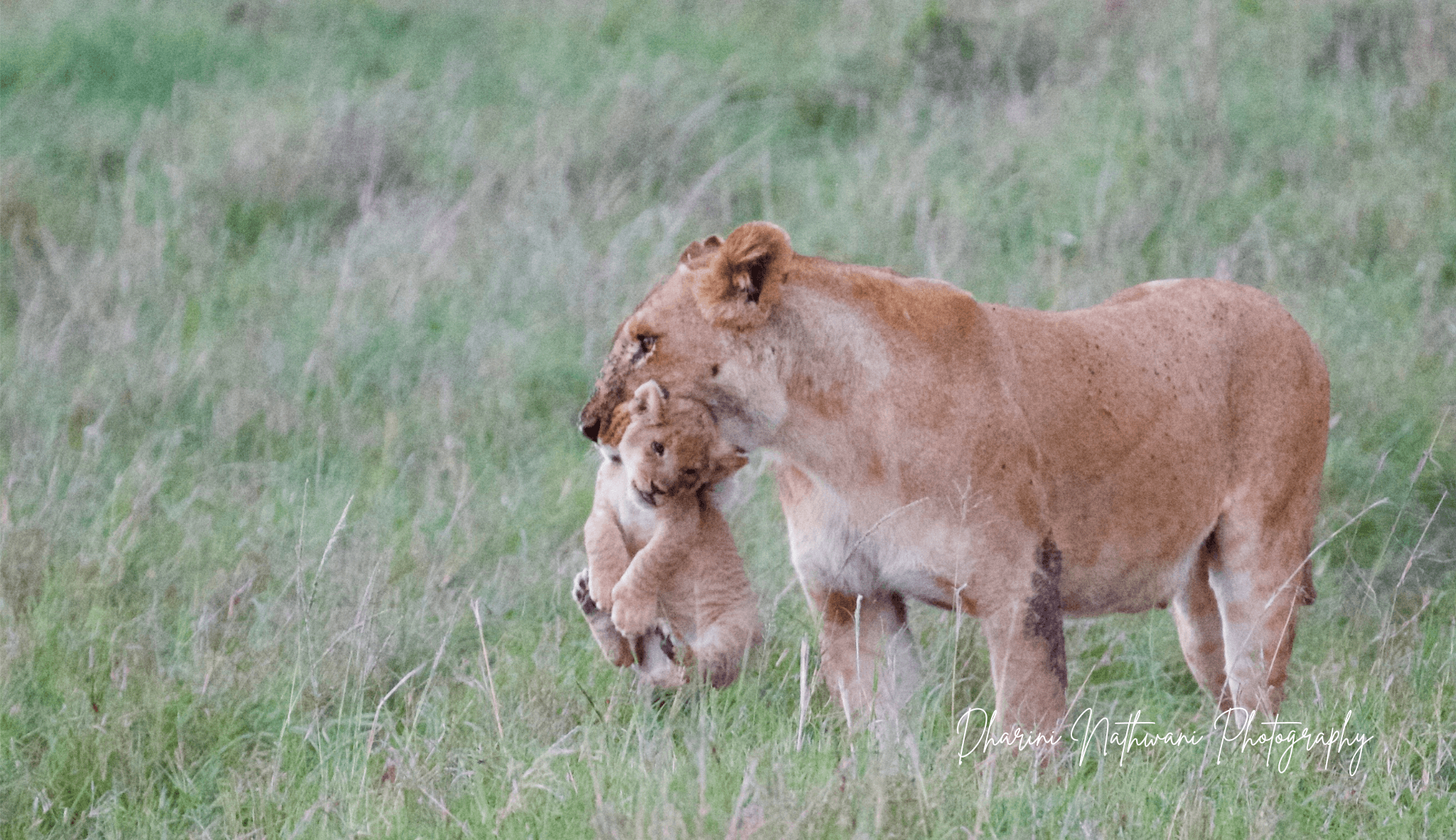
The Masai Mara is Kenya's most celebrated wildlife destination, sharing the Serengeti ecosystem. It is home to lion, leopard, cheetah, elephant, buffalo, hippo, and 450+ bird species, and is the stage for the Great Wildebeest Migration (July–October), when 1.5 million wildebeest cross the Mara River in one of nature's most dramatic spectacles. Private conservancies such as Olare Motorogi, Naboisho, Ol Kinyei, Mara North, and Lemek offer limited-numbers access, night drives, off-road game drives, and walking safaris with Maasai guides.
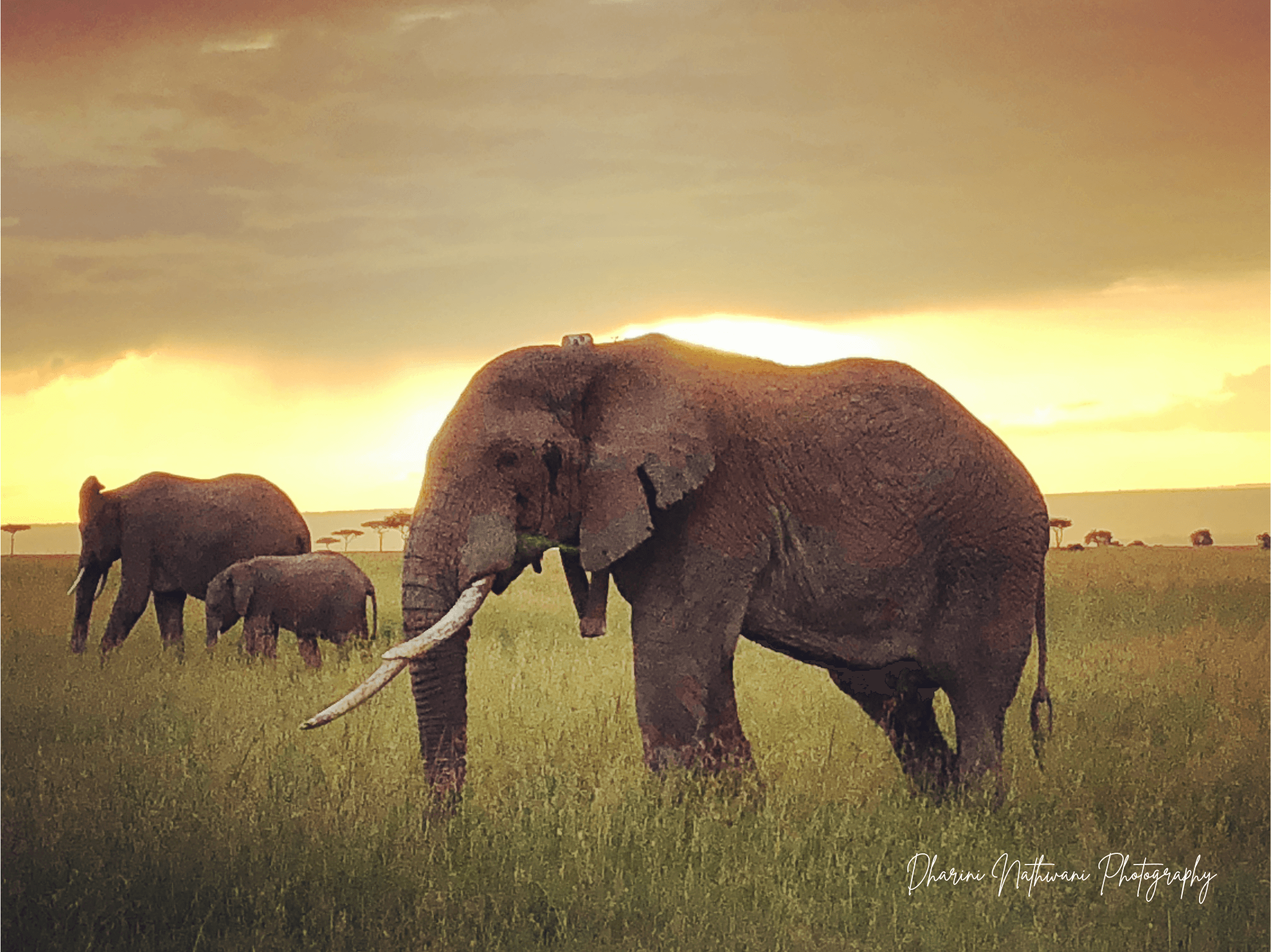
Set at the foot of Mount Kilimanjaro, Amboseli National Park delivers one of Africa's most iconic images: elephant herds crossing open plains against the snow-capped peak. It is one of the best parks in Kenya for close elephant encounters, and excellent for lion, cheetah, giraffe, and zebra, with wetland swamps attracting enormous concentrations of game and over 600 recorded bird species.
Tsavo East and West form Kenya's largest park system, over 22,000 square kilometres of ancient wilderness. Tsavo East is defined by vast red-dust plains, the Galana River, and the famous 'red elephants' stained by volcanic soil, while Tsavo West offers lush hills, volcanic features, and the crystal-clear Mzima Springs, where hippos and crocodiles can be watched from an underwater viewing chamber: less crowded, with a wilder feel. Surrounding Tsavo are numerous community conservancies, including Taita Wilderness Conservancy and Lumo Conservancy, and the neighbouring Chyulu Hills offer another beautiful location for wild camping and hikes across the grassy hills.
The Wild North
This is where our heart lies, and the reason Ajabu Wild exists. Kenya's northwest (spanning Laikipia, Samburu, Marsabit, Turkana, West Pokot, Baringo and Elgeyo Marakwet) covers 193,284 square kilometres, over a third of the country's total landmass, yet remains one of Africa's most overlooked tourism frontiers. Once labelled the "Valley of Death" due to decades of intercommunal conflict, the region has undergone a profound security transformation since 2022, opening the door to a style of travel that is raw, immersive, affordable, and deeply meaningful. This is not a destination for those seeking the familiar: it is for those willing to go further.
The pastoralist communities of the north (Samburu, Turkana, Pokot, Ilchamus, Tugen, Marakwet, and others) have maintained deep, living connections to their land. Because the region has remained largely isolated from commercial development, traditional attire, rituals, housing, and cultural expressions are visible in everyday life. Through respectful co-creation with communities, visitors can participate in bushcraft sessions, archery, beadmaking, basket weaving, traditional music and dance, and storytelling around the fire, as well as attend the region's many annual cultural festivals, including the famous camel derby. Wildlife is equally compelling: dozens of community conservancies shelter species unique to northern Kenya, including reticulated giraffe, Grevy's zebra, gerenuk, oryx, Somali ostrich, and patas monkey.
The variety of terrain here is unrivalled anywhere else in Kenya. Arid lowland plains give way to lush highland plateaus, ancient mountain ranges, river gorges, extinct volcanoes, and crater lakes. Key highlights include the stunning conservancies and national reserves in Laikipia and Samburu (Lewa, Shaba, Sera, Sosian and many more), the Ndoto Mountains, Matthews Range and Mount Olelokwe in Samburu, the lunar Suguta Valley and Kapedo Falls in Turkana, the dramatic Kerio Valley and Elgeyo Escarpment in Elgeyo Marakwet, the Turkwel Reservoir and Sekerr Mountains in West Pokot, and the Silale Crater and lakes Baringo and Bogoria in Baringo. For the adventurous visitor, activities range from multi-day hiking and mountain climbing to camel safaris, cave exploration, wild camping, rock climbing, paragliding, and kayaking. Most of these experiences are outside national parks and conservancies, meaning no entry fees, and revenue flowing directly to communities.
While Ajabu Wild knows Kenya in and out, there is a reason why we specialise in the North. We feel that this is Kenya at its best: the combination of dramatic scenery, amazing wildlife, authentic culture and a real opportunity to contribute to community development. We cover this region in far greater depth elsewhere on the journal, and it forms the core of every facilitated journey we run.
The Coast
Kenya's coastline stretches for over 500 kilometres along the Indian Ocean, and it is one of East Africa's most compelling and underrated destinations. This is a place where the warm turquoise sea meets ancient Swahili civilisation, where coral reefs teem with life, dhows drift through mangrove creeks, and centuries-old towns of whitewashed coral architecture carry the weight of a rich trading history. The Swahili Coast was a crossroads of the world long before the modern era: Arab, Persian, Indian, Portuguese, and African influences have woven together into a culture, a cuisine, and an architecture that is entirely its own.
Mombasa, Kenya's second city, is the historic gateway to the coast. The Old Town is a UNESCO-recognised labyrinth of carved wooden doors, narrow streets, and Swahili-Arab architecture, and Fort Jesus, built by the Portuguese in the 16th century, is one of East Africa's most significant historical monuments. Mombasa is a city of food, spice, and life.
Diani, just south of Mombasa, is Kenya's most developed beach destination. Its seventeen kilometres of powder-white sand and warm, shallow water make it ideal for swimming, snorkelling, kitesurfing, and diving, and it hosts the Colobus Conservation project, where visitors can encounter rare colobus monkeys in the surrounding forest.
Watamu and Kilifi, north of Mombasa, offer a quieter, more nature-focused destination, known for pristine coral reefs, sea turtle nesting beaches, and Watamu Marine National Park: excellent for snorkelling, diving, deep-sea fishing, and kayaking through mangrove creeks. Kilifi, built around a stunning creek system, blends a thriving arts and creative community with sailing, paddleboarding, and some of the coast's finest casual restaurants, with the ancient Mnarani ruins sitting on the creekside.
Lamu is the most unique location on Kenya's coast. A UNESCO World Heritage Site, Lamu Old Town is the oldest continuously inhabited Swahili settlement in East Africa, and one of the best-preserved. There are no cars: only donkeys, dhows, and narrow alleyways that seem unchanged by centuries. The annual Lamu Cultural Festival is one of East Africa's most extraordinary events.
Nairobi: Wilderness on the City's Doorstep
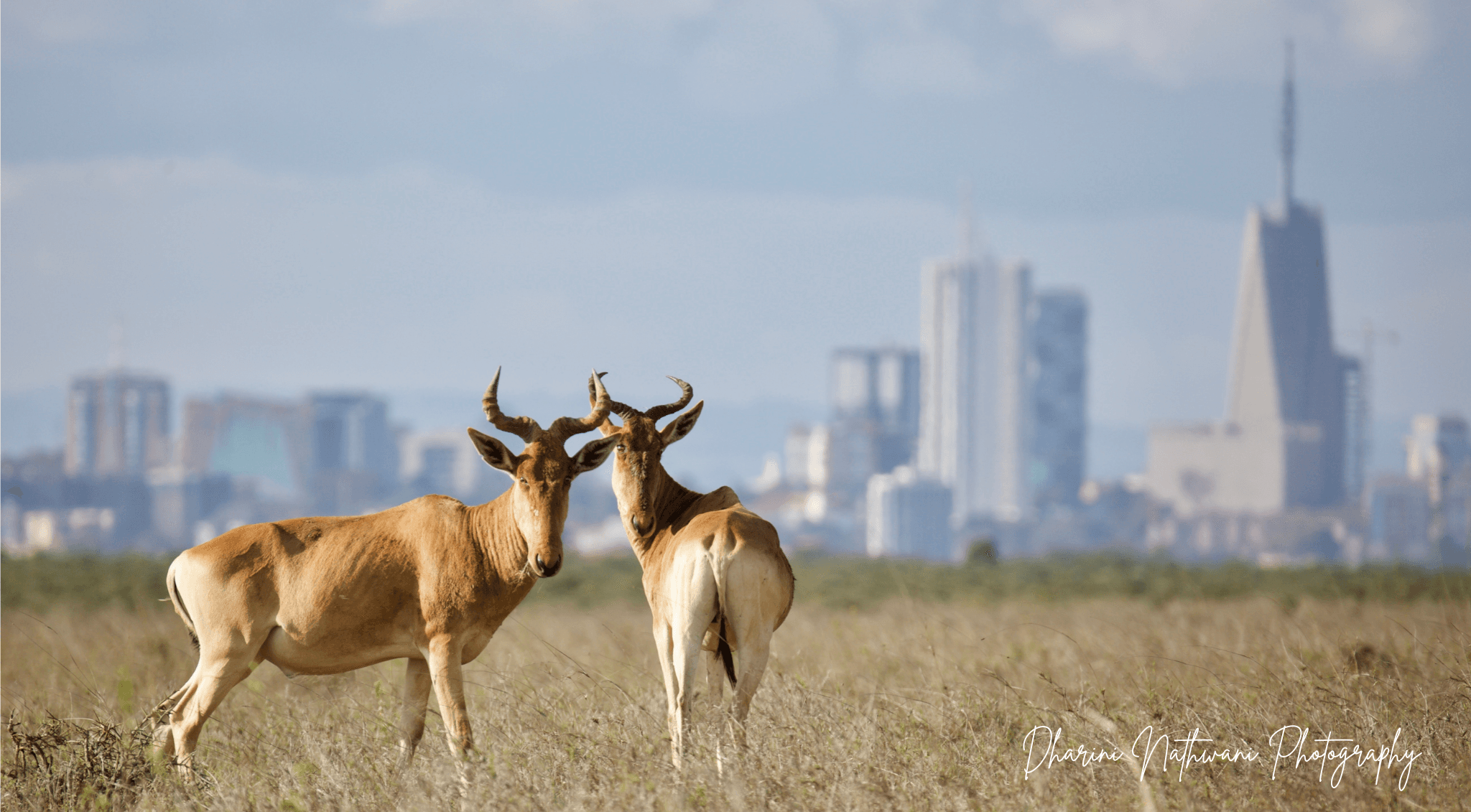
Before Nairobi's skyline claimed the horizon, it was a highland plain edged by cool rivers and grazed by Maasai herders, known as Enkare Nyirobi, "the place of cool waters." This was a land of open breath; today it is Kenya's capital, its engine, and its most complex story. Nairobi is no mere stopover on the way to the Mara or the coast. It is a destination in its own right: a city that holds wilderness within its boundaries, vibrant neighbourhoods teeming with art and ambition, and landscapes that shift from skyline to savannah within minutes. Where else in the world can you watch lions roam against a backdrop of glass towers?
Few cities in the world can claim what Nairobi does: genuine wilderness on its doorstep. Nairobi National Park, just seven kilometres from the city centre, is a place of almost surreal beauty, lions stretch out in the long grass as glass towers shimmer on the horizon behind them, and black rhinos move through open plains that share a fence with one of Africa's fastest-growing capitals. The park is home to an extraordinary diversity of wildlife, gazelles, buffalo, lion, cheetah, giraffe, zebra, and over 400 species of birds, making it an accessible and rewarding safari experience with no long-haul drive required.
For those who prefer their encounters with nature on foot, the Ngong Hills offer a dramatic escape into the highlands southwest of the city, with a ridgeline trail rewarding hikers with sweeping views over the Rift Valley on one side and the Nairobi skyline on the other. Closer to the city, Karura Forest is a remarkable urban oasis: over 1,000 hectares of indigenous forest woven through with cycling and running trails, bamboo groves, rivers, and quiet waterfalls. Further north, the Kiambu and Limuru tea plantations lie barely an hour from the city, offering guided tours through emerald rows of tea bushes and tea tasting sessions.
Nairobi's culture is as layered and alive as the city itself. When the sun goes down, rooftop bars in Westlands pulse with Afrobeats and gengetone, bars with live music in Kilimani draw in a creative crowd, and the street food scene comes alive with the smell of smoky nyama choma and mandazi. A guided walk through the Central Business District led by former street kids offers an honest and memorable lens into the city's history and resilience, while a visit to Kibera or Mathare reveals a story of extraordinary community spirit and grassroots artistry. On weekends, the Maasai Market rotates through different suburbs with handcrafted beadwork, textiles and carvings, while the Farmers' Market in Karen brings together organic produce and artisan foods.
Wherever You Start, We Can Take You There
Whether it's a facilitated wilderness journey deep into the north, or a curated trip to the Mara, Amboseli, Tsavo or the coast, we can put the whole of Kenya together for you: combining the iconic destinations you've always dreamed of with the wild north few travellers ever see.